No named voice case on this page
This service does not yet have its own named public case. We will not borrow a name to fill the gap. The portfolio lists the systems that can be named.
Customer service
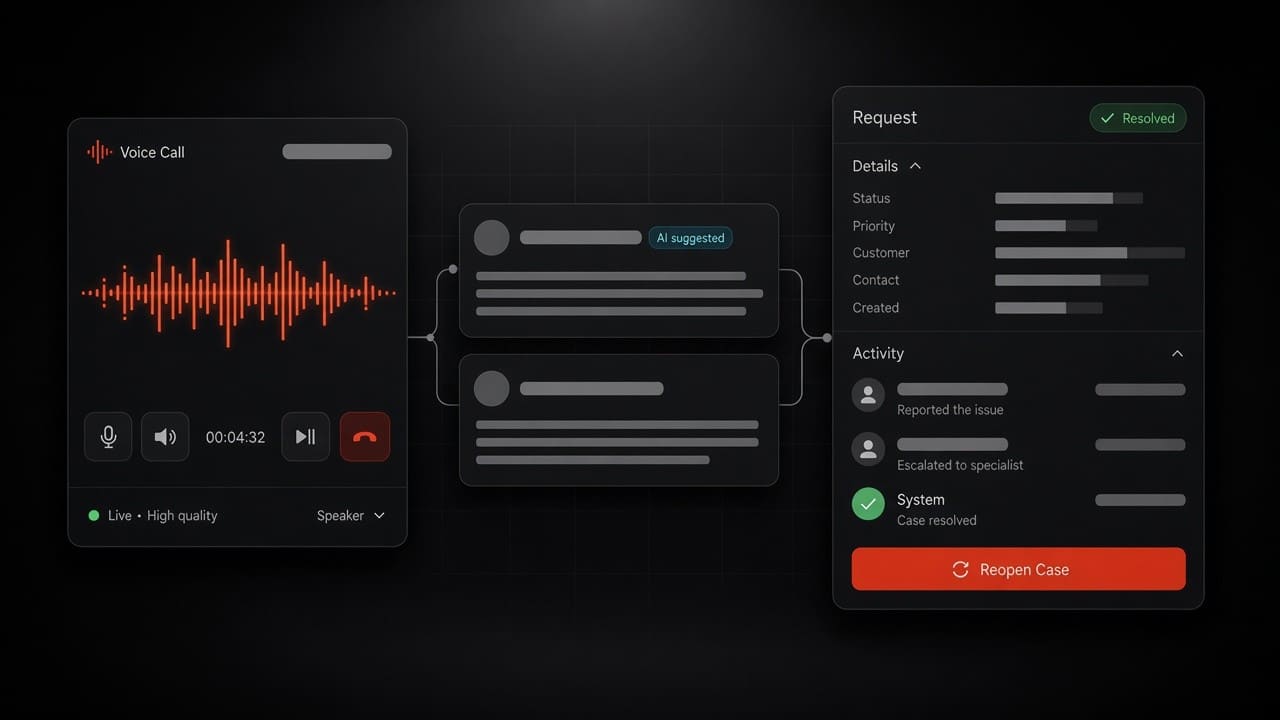
Answer every call, day or night, with accurate answers from your own records, and transfer to your staff with a quick summary when needed.
The shift
Callers ask for a fact that is already written down, then wait because the person who can read the file is on another line. The message that follows asks them to repeat the details. The next morning someone enters those details into the same record the line could have read.
It never makes things up. It says what your records say, and hands off when a person is needed.
The outcome
The line says what your record says. It does not fill a silence with a plausible sentence.
Calls go to your staff with a short summary, so nobody repeats themselves.
It takes bookings and messages, and only does what you’ve allowed.
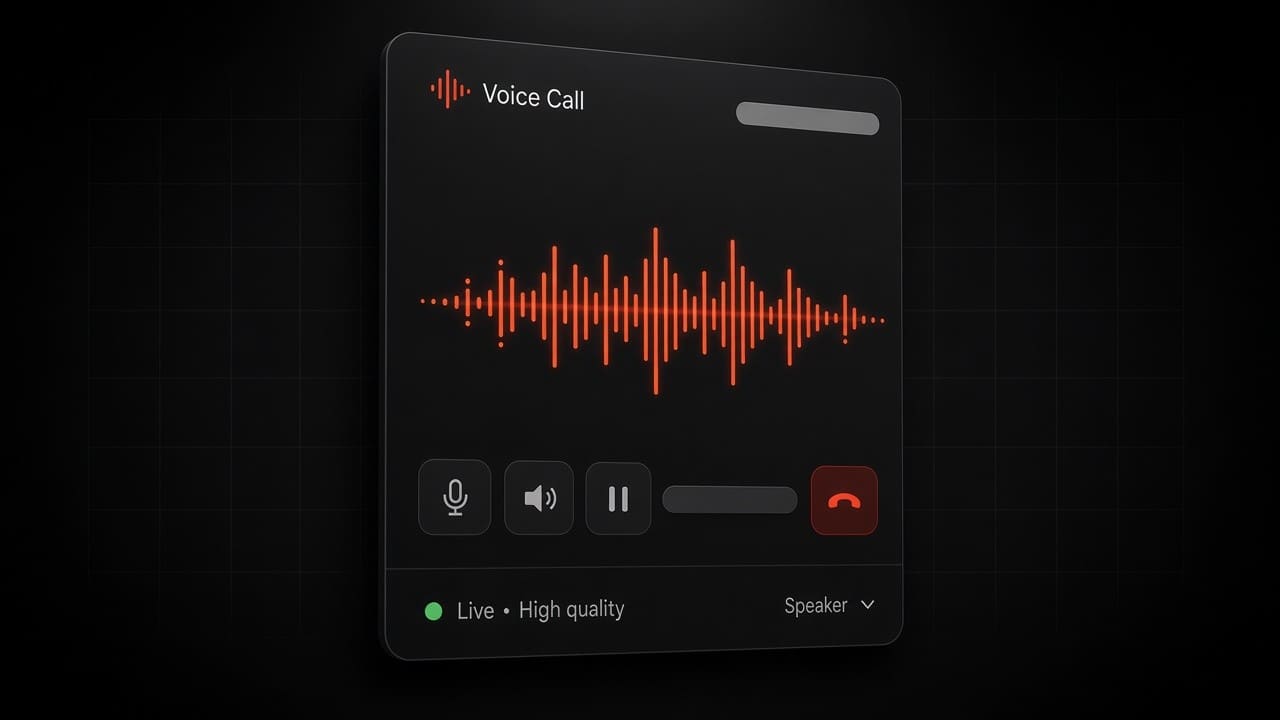
You can replay the call and the note. Replay any call to see exactly what was said.
Where it earns its keep
Hours, status, what to bring, where to send a file. The line reads the source on file and says that, then offers a person if the caller needs more.
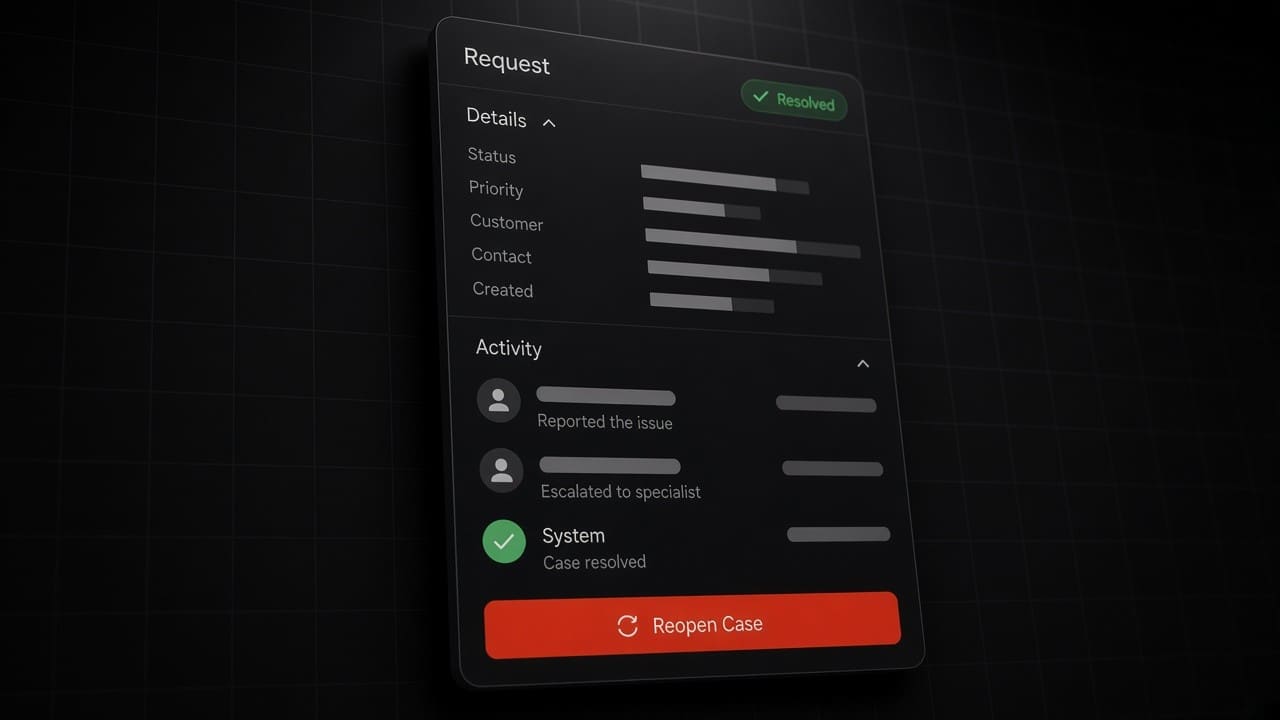
The caller asks for a time or a return call. The request lands in the system you already use, without a second telling of the same details.
The line stays up. It answers the closed-hours list and takes the rest as a message you see in the morning, with the call attached.
The operating model
From first conversation to a system that runs itself.
We map how the work gets done today, including the calls only a person should make, and agree on it before anything is built.
Built on Cloudflare and connected to the tools you already use, so nothing has to move.
Tested on your real work from last week before any customer sees it.
We launch with close monitoring, keep it running, and you can change the rules at any time. It’s yours to keep.
The decision
A phone tree, a person on the line, and a voice system that reads the record fail in different ways.
| Off the shelf | Hire in-house | Abracadabra | |
|---|---|---|---|
| What the caller hears | A menu, then a voicemail. | A person, when someone is free. | The fact from your record, or a person with the note. |
| When it does not know | It still routes, or it hangs up. | They look it up, or they guess. | It says so and hands the call over. |
| What gets written down | A voicemail, if anyone listens. | Whatever that person types later. | The request, in the system you already use. |
| When you don’t need us | If you get a few calls a day and handle them well, keep doing that. | A hire is right when the calls need judgment all the way through and the record would not shorten them. | Our advice: keep the person on a quiet line. The voice system earns its place when the same facts are repeated and the exceptions still need a person. |
Named work
This service does not yet have its own named public case. We will not borrow a name to fill the gap. The portfolio lists the systems that can be named.
Running in production today.
Priced to the project. Tell us what you need and we’ll quote it.
Questions, answered
faq-title
It sounds like the voice you choose, and it says only what the record supports. A named staff member is not imitated.
Yes, to the number you set, with a short note of the call so far. If nobody picks up, it takes a message.
If it did not hear the question, it asks again. It does not guess a name or a number it did not catch.
The calls you choose to keep, for the reason you write down. You can turn retention off. Recordings are yours, and you can turn them off.
Only if that action is on the list and the payment path is one you already use. Otherwise it books a person.
It takes the calls on the list. The calls that need judgment still go to a person. If the volume does not justify that split, the recommendation is to leave the line alone.
Tell us about a call from last week that could have been answered automatically, and we’ll show you how.